Request Early Access
LETTER FROM
Matthew Papish
Founder and CEO, Human Digital Registry
When my kids were born, we made a simple decision. We saved their cord blood.
We had no idea whether they would ever need it, and I hope they never do. We preserved it because it belonged to them. It was unique to them, and we believed something that personal deserved to be protected. So we packed it up and FedEx’d it to a stem cell bank somewhere in the Midwest.
Years later, while working with advanced imaging and volumetric capture technology at Samsung, I watched my own likeness become digital data. My face, my voice, my movements could suddenly exist outside of me, separate from the person they belonged to.
And almost immediately, I thought about that cord blood.
Today, more and more of who we are exists outside of us. Our names, faces, voices, likenesses, performances, and the history of how they have been used are becoming digital assets that can travel farther, faster, and with less friction than ever before.
But these are more than files or data. They are digital extensions of who we are.
We now live in a time when a basic app and AI can seamlessly recreate your face, clone your voice, and replicate your movements. A person can appear to say something they never said, do something they never did, or endorse something they never approved, and that version of them can continue to exist and be used long after they are gone.
I believe there is nothing more personal, more valuable, or more vulnerable than a person’s identity.
Your identity belongs to you. You Must Own Yourself.
This belief became the genesis of Human Digital Registry.
We are building HDR to protect these human digital assets and preserve the record around them because behind every one of them is a real person. They carry identity, reputation, livelihood, family history, and legacy. They deserve care, security, and respect.
AI will keep changing what is possible. The technology will become better, faster, and harder to separate from everyday life. But a human being should never be reduced to a collection of random files scattered across servers, available for someone else to access, copy, alter, or use without permission.
Technology will change.
Your right to own yourself should not.
Matthew Papish
Founder & CEO
Human Digital Registry
A Note from Matthew Papish
Founder & CEO, Human Digital Registry

When my kids were born, we made a simple decision. We saved their cord blood.
Not because we knew we’d need it.
Not because something was wrong.
But because it was theirs.
Pure. Unique. Irreplaceable.
We wanted it preserved, protected, and stored with care — just in case one day it mattered in a way we couldn’t yet see.
Years later, I began to notice something else that carried that same kind of weight.
Your name.
Your image.
Your voice.
Your likeness.
They are not just assets. They are identity.
They carry trust. Reputation. Livelihood. Legacy.
And increasingly, they carry real-world value.
Today, those pieces of you can be copied, recreated, and distributed in seconds — with a phone, an app, and artificial intelligence.
This isn’t science fiction.
It’s not a distant future.
It’s now.
AI can mimic voices. Generate faces. Create entirely synthetic “people” with astonishing accuracy. It’s fast. It’s inexpensive. And misuse is accelerating.
So the question becomes:
When anyone can copy you, how do you prove what is real?
When content moves at light speed, how do you manage consent?
When platforms collide, how do you maintain control?
That’s why we built Human Digital Registry.
HDR is not a social app.
It’s not ad tech.
It’s not a novelty.
It’s infrastructure.
A system of record for digital identity.
A place to register and timestamp your Name, Image, Voice, and Likeness.
To set permissions.
To authorize usage.
To revoke access.
To ensure your digital self is respected, traceable, and compensated.
If identity can now be copied at scale, it deserves to be protected at scale.
That is our mission.
That is the work.
And we’re just getting started.
Thank you for being here — and for believing that identity, in every form, deserves stewardship.
Matthew Papish
Founder & CEO
Human Digital Registry
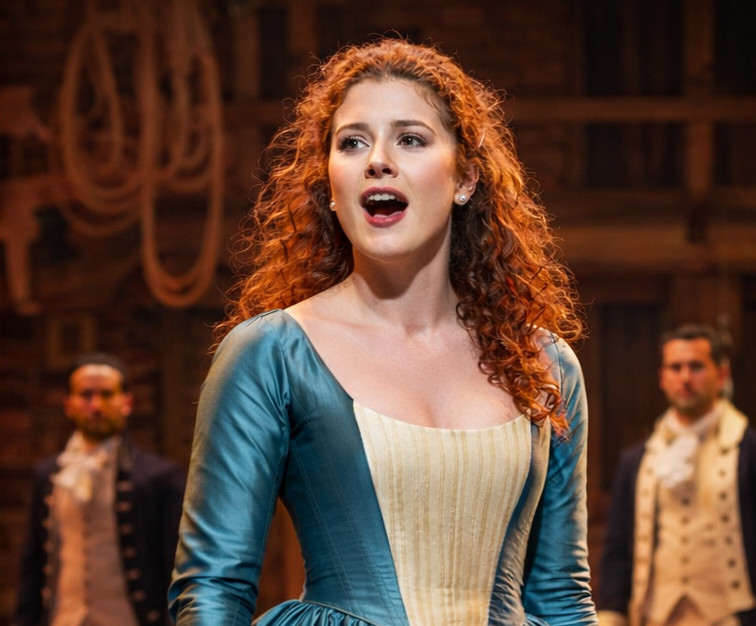
Individuals & Creators
Whether you're an actor, performer, or athlete, HDR helps you take control of how your likeness and voice are stored, shared, and licensed.
-
Stop losing track of who you sent what across photos, clips, voice samples, headshots, and campaigns.
-
Stay deal-ready when sponsors, productions, or teams need assets fast—without scrambling.
-
Reduce casual misuse by limiting access and sharing only approved voice and likeness assets.
Organizations & Teams
Agencies, teams and organizations manage identity assets at scale. HDR is designed to easily manage large volume of assets for multiple stakeholders.
-
Reduce risk by keeping approvals and usage terms clear across sponsors, productions, and campaigns.
-
Eliminate asset sprawl by centralizing files and controlling access across stakeholders.
-
Stay audit-ready with consistent permission records that support licensing, renewals, and payment workflows.